
Understanding Different Test Formats
In the realm of education, assessment plays a pivotal role in measuring students’ understanding and capabilities. Various test formats are employed to evaluate student performance, each designed to assess distinct skills and knowledge areas. Some of the most common types of test formats include multiple-choice tests, essay assessments, short answer questions, and practical evaluations.
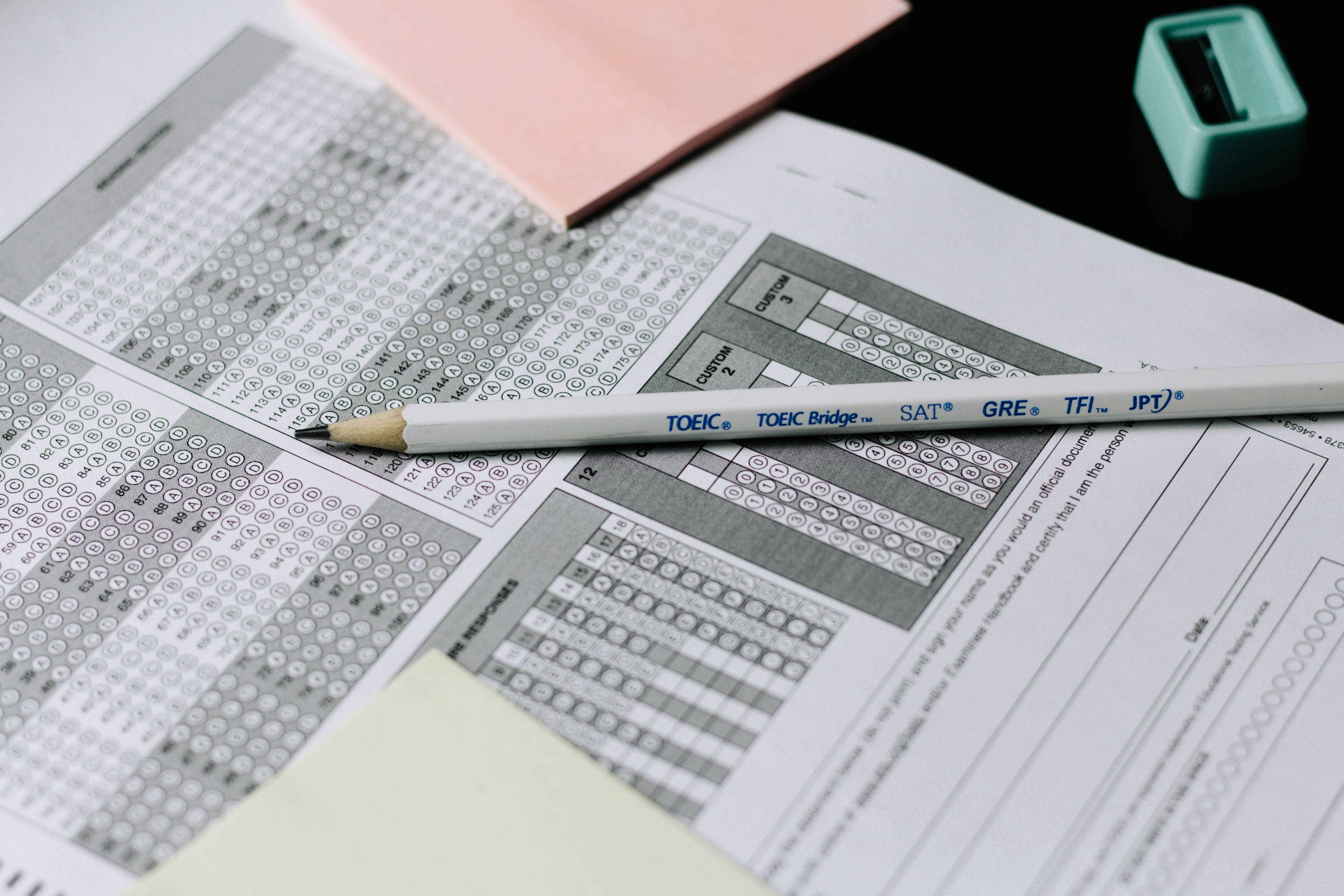
Multiple-choice tests are widely utilized due to their practicality and efficiency in grading. These tests often consist of a question followed by several potential answers, allowing students to select the one they believe is correct. The strengths of this format lie in its ability to cover a broad range of content and provide objective results. However, one notable weakness is that they may encourage rote memorization rather than critical thinking, as students might guess or select answers based on elimination rather than comprehension.
Essay assessments offer a different approach by allowing students to express their understanding of a topic in a detailed manner. This format emphasizes writing skills and the ability to construct coherent arguments. While essays can provide deeper insights into a student’s grasp of complex concepts, they also introduce subjectivity in grading and may not effectively gauge knowledge on all topics.
Short answer questions bridge the gap between multiple-choice and essay formats. They require students to provide concise responses to specific queries, thus testing recall and comprehension simultaneously. This format is beneficial as it encourages critical thinking while still being easier to grade than essays. However, the challenge lies in crafting questions that adequately assess higher-order thinking skills.
Lastly, practical assessments are crucial in fields where hands-on skills are necessary, such as science and engineering. These assessments evaluate a student’s ability to apply theoretical knowledge in real-world contexts. While practical tests can be incredibly insightful, they may also be resource-intensive and difficult to standardize across different testing environments.
Understanding these diverse test formats equips students to tailor their study strategies effectively, allowing them to approach each assessment type with confidence. Each format encompasses its unique strengths and weaknesses, influencing how students prepare and perform during their examinations.
Assessing Personal Learning Styles
Understanding one’s learning style is crucial for effective test preparation. Learning styles often fall into three primary categories: visual, auditory, and kinesthetic. Each style influences how students absorb, process, and retain information, ultimately impacting their performance on various types of assessments.
Visual learners benefit significantly from diagrams, charts, and infographics. Their retention improves when they can see the material represented graphically. For instance, while preparing for a multiple-choice exam, these students may find it helpful to create mind maps or color-coded notes to visualize the connections between concepts. This approach caters to their preference for spatial learning, thus enhancing comprehension and recall during assessments.
On the other hand, auditory learners excel when information is delivered through spoken words. This learning style thrives in environments where discussions, lectures, or audio recordings are prominent. To effectively prepare for assessments such as oral exams or listening tests, auditory learners could engage in group study sessions or record themselves summarizing key concepts. Listening to such recordings while reviewing materials can reinforce memory, resulting in better retention during actual examinations.
Kinesthetic learners, in contrast, grasp information through physical, hands-on activities. They may struggle with traditional test formats that emphasize passive learning. To counter this, incorporating practical exercises, such as conducting experiments or participating in role-plays, can significantly enhance their study sessions. Utilizing flashcards for active recall or incorporating movement within study routines can also aid kinesthetic learners in grasping complex concepts, particularly in subjects like science or mathematics.
By recognizing individual learning preferences, students can tailor their study techniques. This personalized approach not only boosts confidence but also maximizes the potential for success in various test formats. Understanding and applying these learning styles ensures a well-rounded preparation strategy that is adaptable to diverse assessments.
Creating a Balanced Study Plan
In the pursuit of academic excellence, students must acknowledge the varied formats of assessments they may encounter. A balanced study plan is essential to effectively navigate multiple-choice questions, essays, short-answer exercises, and hands-on activities. To develop such a plan, it is crucial to incorporate diverse preparatory strategies that cater to these different assessment types.
First and foremost, students should begin by assessing their strengths and weaknesses across each test format. This self-assessment allows for a targeted approach where more time can be allocated to challenging areas. Once the assessment is complete, students can construct a study schedule that designates specific time blocks for each format. For example, a schedule may include multiple-choice question practice on Mondays, essay writing on Wednesdays, short-answer exercises on Fridays, and hands-on activities over the weekends.
Time management plays a pivotal role in this planning phase. Students should consider their workload and commitments, ensuring that study sessions are both productive and realistic. Setting short-term goals for each session can enhance motivation and facilitate a sense of accomplishment. Furthermore, it is beneficial to use timers to maintain focus during study periods, allocating breaks to prevent burnout.
Incorporating varied assessment methods into practice sessions can reinforce learning. For instance, students might simulate exam conditions by timing themselves when answering multiple-choice questions or practicing essay writing with specific prompts. Engaging in group study sessions can also facilitate discussion and provide exposure to different perspectives, particularly in essay preparation and collaborative projects.
Ultimately, creating a balanced study plan requires discipline and a proactive approach to self-monitoring. Regularly evaluating progress and adapting the study schedule as needed is essential in achieving comprehensive preparation for all test formats, ultimately leading to improved academic performance.
Tips for Effective Test Preparation
Effective test preparation is critical for students aiming to achieve their desired academic outcomes. An organized approach to studying can significantly alleviate test anxiety, ensuring a more confident performance during examinations. One of the first strategies students should employ is to create a structured study schedule. Allocating specific times for studying different subjects can help prevent cramming and allows for adequate review of all material. This approach is particularly beneficial when preparing for various test formats, as it ensures comprehensive coverage of the content.
Another effective technique is to adopt active learning methods. Instead of passively reading textbooks, students can benefit from engaging with the material through summarization, questioning, and teaching concepts to peers. Incorporating tools such as flashcards, visual aids, or online resources can make revision more interactive and reinforce understanding. Furthermore, forming study groups can be an invaluable resource, fostering collaborative learning while also reducing individual anxiety. Group discussions can facilitate the exchange of ideas and different perspectives on complex topics.
Mock tests play an essential role in effective test preparation. By simulating the testing environment, students can become familiar with the format and time constraints of the actual assessment. This practice helps to enhance time management skills and identify areas needing further review. After completing practice assessments, it is crucial to engage in self-reflection. Analyzing performance, including mistakes made and concepts misunderstood, enables students to tailor their study strategies for improved outcomes.
Lastly, maintaining a positive mindset is crucial. Techniques such as mindfulness and breathing exercises can help mitigate test anxiety. By implementing these tips, students can adopt a balanced preparation strategy, ultimately leading to improved performance across various test formats.